
Amrap Mindset Blog and Toolkit
The latest news and events out of AMRAP
Latest Posts

Women’s Lift Club: It’s Not About the Weight By Dr. Brittany Herrick, Ed.D., CMPC® Mental Performance Coach, Founder of Herrick Performance Consulting & AMRAP Coach I spend a lot of time talking about confidence. As a mental performance coach, I work with athletes, coaches, teams, organizations, and individuals on the mental skills and mindset that help them navigate challenges, build confidence, and perform better in sport, work, and life. I also happen to coach at AMRAP. Women’s Lift Club is one of those places where those two worlds come together. Yes, we lift weights. We teach technique. We want women to get stronger. But what interests me just as much is what can happen around the weight: choosing to try something unfamiliar, learning a new skill, experiencing progress, being supported by the people around you, and walking away with a little more evidence of what you’re capable of. That’s what Strong. Capable. Confident. is really about. Strong Is More Than Physical There are plenty of reasons for women to strength train, and the physical benefits matter. Research consistently shows that resistance training can improve muscular strength in women across adulthood. But I don’t think the number on the bar tells the whole story. Strength can also look like trying something you aren’t sure you can do. It can be asking a question when you don’t know what you’re doing. It can be putting five more pounds on the bar. It can also be taking weight off the bar because you’re learning to prioritize good movement over proving something. The goal isn’t to be the strongest woman in the room. The goal is to have opportunities to challenge yourself and discover what you’re capable of. Capable Comes From Evidence You try something. You learn. You struggle a little. You get feedback. You adjust. You try again. Eventually, something you weren’t sure you could do becomes something you know you can do. Maybe it’s your first deadlift. Maybe it’s adding five pounds to the bar. Maybe it’s learning a movement you’ve avoided because you weren’t sure where to start. Sometimes, it’s simply walking into the gym and trying. Whatever it is, now you have evidence: I’ve done something like this before. Maybe I can do this too. The number isn’t really the point. Realizing you’re capable is. Confidence Has Something to Build On This is where my mental performance brain really kicks in. We often think confidence needs to come first: Once I feel confident, I’ll try it. But confidence can also develop in the other direction. In psychology, this connects with self-efficacy—our belief in our ability to successfully perform a particular behavior or task. Successful experiences, often called mastery experiences, can be an important source of that belief. You do something. Your brain gets new information. Oh. I can do this. That doesn’t mean deadlifting a heavier bar automatically makes you more confident at work, in relationships, or in every other part of your life. Human behavior isn’t that simple. But the gym can give us a place to practice doing hard things. Instead of only telling yourself: I can do hard things. Every once in a while, you get to say: I did a hard thing. And that’s different. The Environment Matters Too Of course, these experiences don’t happen in a vacuum. There’s something valuable about creating a space where women can simultaneously experience community, growth, and the opportunity to test their limits without feeling judged for doing it. And there’s research behind why creating that kind of environment matters. Research examining women’s participation in strength training has identified barriers including gender-based stigma, discouragement, negative comments, lack of knowledge, accessibility, and lack of supervision or routine. Social support, encouragement, knowledge, and having someone alongside them have also been identified as factors that can help women participate and stay engaged. That’s a big part of why Women’s Lift Club exists. Not because women aren’t capable of training alongside men. They absolutely are. It’s about intentionally creating a space where women can learn, ask questions, try things, challenge themselves, encourage one another, and maybe surprise themselves along the way. Maybe the Most Important Word Is “Club” There’s something powerful about looking around a room and seeing women with different bodies, backgrounds, ages, abilities, and experience levels all working on getting stronger. Someone may be touching a barbell for the first time while the person next to her has been lifting for years. Both belong. Women’s Lift Club gives us a chance to ask questions, share tips, laugh, work hard, cheer each other on, and learn together. Research on women’s experiences with strength training repeatedly points to the importance of social support and positive environments in helping women participate. So maybe the most important word in Women’s Lift Club isn’t lift. Maybe it’s club. Strong. Capable. Confident. That brings us back to those three words. Strong — Physical strength matters, and we can train it. Capable — Doing things gives us opportunities to discover what we can actually do. Confident — Those experiences give us something real to build confidence from. And then we repeat. That’s why, from my perspective as a mental performance coach, Women’s Lift Club was never really just about lifting weights. The weight gives us something tangible to work against. The challenge gives us something to learn from. And the community gives us people to do it alongside. Strong. Capable. Confident. Not because of the number on the bar. Because of what you learn about yourself while lifting it. A Thank You Women’s Lift Club also wouldn’t be what it is without the influence and support of Jen Widerstrom and Arnold’s Pump Club. Having the opportunity to help coach a women’s lifting clinic alongside Jen reinforced just how valuable it can be when women have a space to learn, challenge themselves, support one another, and get stronger together. That experience helped influence what I wanted Women’s Lift Club to become, and I’m incredibly grateful to Jen and the Pump Club community for their support in helping make it happen. Join Us Women’s Lift Club meets the second Saturday of every month, with sessions hosted at our local partner gyms. Whether you’ve been lifting for years, haven’t touched a barbell in a long time, or have absolutely no idea where to start, you’re welcome. Come learn. Come challenge yourself. Come be part of the community. Strong. Capable. Confident. About the Author Dr. Brittany Herrick, Ed.D., CMPC® is a Certified Mental Performance Consultant® and founder of Herrick Performance Consulting. Her work focuses on helping individuals and groups build mental skills, improve mindset, and perform better in sport, work, and life. She works with athletes, coaches, teams, organizations, and individuals and is also a coach at AMRAP Method. Women’s Lift Club is one opportunity to bring the physical and mental sides of performance together—using challenge, learning, feedback, and community in a real-world setting. Interested in mental performance coaching? Learn more about Brittany’s work at Herrick Performance Consulting . References Hagstrom, A. D., Marshall, P. W., Halaki, M., & Hackett, D. A. (2020). The effect of resistance training in women on dynamic strength and muscular hypertrophy: A systematic review with meta-analysis. Sports Medicine, 50(6), 1075–1093. Vasudevan, A., & Ford, E. (2022). Motivational factors and barriers towards initiating and maintaining strength training in women: A systematic review and meta-synthesis. Prevention Science, 23, 674–695. Currier, B. S., McLeod, J. C., Banfield, L., et al. (2023). Resistance training prescription for muscle strength and hypertrophy in healthy adults: A systematic review and Bayesian network meta-analysis. British Journal of Sports Medicine, 57(18), 1211–1220. Isenmann, E., Geisler, S., Havers, T., Siegert, F., Hemke, F., & Held, S. (2026). It’s never too late: The impact of resistance training on strength and body composition in females across the lifespan — A systematic review and meta-analysis. Journal of Science and Medicine in Sport.
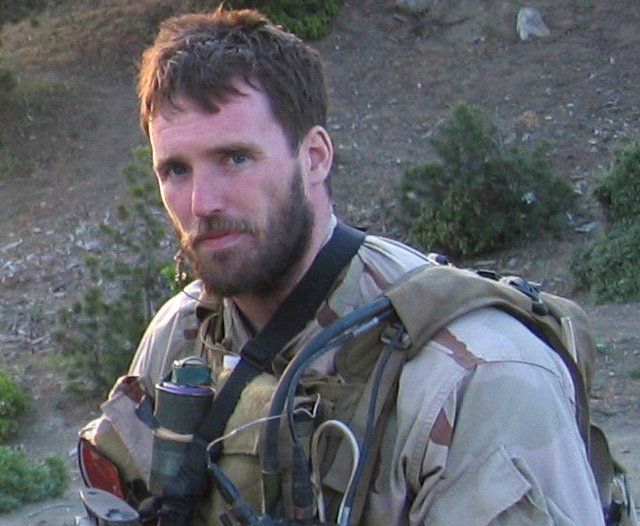
Why We Show Up

5 Reasons to Squat 5 Minutes/day By Coach Spencer Rittmann PTA, CF-L2 The goal of holding a flat foot, deep squat position for 5 minutes per day is the single most bang for your buck way of improving your squat mobility. Scale back by holding onto an upright or placing plates underneath your heels. Start with 20-30 second holds… stand up and shake out the legs, then slowly over time build up to 1-2 minutes with the goal of 5 minutes straight. Break it up into 5 separate 1 minute holds throughout the day if you’re crunched for time. You can either do a “passive" squat where you are resting in the bottom position or you can make it “active” by staying at parallel and squeezing your hips and glutes. Apply yourself daily for the next month and see the results of squatting everyday. 1. Fix Pain Stronger tendons, lengthening short overactive muscles, and strengthening overstretched underutilized muscles will lead to a more resilient body. Movement is medicine and motion is lotion. 2. Improve Posture Much of daily life, such as driving a car, texting on phones, and working on computers is spent in a rounded shoulder forward head position that has negative effects over time. Simply reversing this posture opens up your airways and enhances overall appearance. 3. Better Lifting Technique Working on your deep squat mobility will have a profound translation to setting PRs in your snatch and clean & jerk. 4. Mindfulness There is nothing that will make you feel more present in the moment than your quads and legs burning and shaking. There is not much else to think about besides the burn. This is a great time to feel present in your body, connect to your breath, and meditate. 5. Longevity Squatting consistently will provide you with spinal decompression, core strength, joint health, blood circulation, and flexibility that makes everyday activities like bending, lifting, and walking more effortless.

Every year, the CrossFit Open means something different to each person who signs up. We asked members at AMRAP one simple question: Why are you doing the Open this year? Here’s what they shared — in their own words. Eric Isbister The reason for being a member of the AMRAP community is primarily that — the community. Weights and machines gather dust in garages and basements. Exercise books get looked at and put aside. Without community, exercise becomes work — easily skipped until skipping becomes a habit. What gets measured gets done. Throughout the year, workouts are programmed to help athletes improve overall fitness. The Open provides an opportunity to measure progress, compete (with yourself or alongside others), set a goal to train toward, and celebrate completion. The AMRAP Open is an annual instance of community building — competitors, families, and friends working hard and celebrating together. Claire Pavon I’ve only been a member at AMRAP for a year, and the Open is going to show the progress I’ve made — and push me past what I think I’m capable of. Honestly, the community here makes it impossible not to get involved. Everyone wants to push you, cheer you on, and see you become a better version of yourself — even when you don’t want to. Krista Bold I’m doing the CrossFit Open this year for the community. I’m not at my best fitness yet, and I’m definitely not as strong or as far along as I want to be — but that’s kind of the point. The Open is a chance to show up, test where I am today, and be surrounded by people who push, support, and celebrate each other no matter the score. I’m in it to come together, to be part of the movement, and to share the energy that makes this gym feel like more than just a place to work out. Bill Campolo I signed up for the Open for a few reasons. Benchmarking progress. As I become more consistent with my training, I want a way to measure improvement beyond PRs and day-to-day progressions. The Open gives me a structured way to see how I’m developing over time. Stepping outside my comfort zone. Some movements aren’t strengths of mine yet, and I want to test those areas. I’ve also never taken on an Open outside of regular class workouts, so this will be a completely new experience for me. Community energy. I’ve heard a lot about the AMRAP Open, and I want to experience that firsthand. One of my favorite parts of AMRAP is the community, and this feels like a great way to connect in a new way. Dawn Nouansacksy I like to focus my training around upcoming events — Fitober, the Open, Murph. Having something on the calendar gives my training purpose and direction. Doing the Open has also given me a new appreciation for professional CrossFit athletes. Experiencing the workouts firsthand changes how you view what they’re capable of. Most of all, the Open is a great way to build connections within the AMRAP community. Everyone encourages each other, and there’s no judgment — just support. Becky Bennet This is my third (ish?) year doing the CrossFit Open with my son. The workouts push me out of my comfort zone every single time. But what matters most to me is that my kids see me model healthy habits — and a healthy attitude toward hard things. Growth doesn’t come from winning or being the best. You need to show up, do the work, and push through those uncomfortable “I don’t want to do this” moments. As a boy mom, I want my sons to see — and respect — strong women, starting with their mom. Sam McCarthy The Open is an annual event I look forward to every year. While the workouts are fun and challenging, what truly makes it special is being surrounded by my gym family — knowing everyone is cheering you on from start to finish. It’s a supportive, team-centered atmosphere, and I’m excited to be part of it again this year. Kim and Dave King The Open is almost here, and it’s one of the most fun times of the year at AMRAP. The energy and camaraderie are unmatched as the whole gym comes together. You get to work out with your regular crew while also meeting and cheering on members across the gym. This is our fifth year, and we can’t wait to show up strong and see what we can do — let’s go, AMRAP! Coaches’ Perspectives Coach Hali I walked into a CrossFit gym almost 10 years ago as an out-of-shape, single mom of three who simply needed a healthy change — not competition. Unbeknownst to me, the Open became a meaningful part of my journey. It encouraged me to try hard things I never thought I was capable of and taught me that real growth comes from showing up consistently. Now, I love the Open for what it brings to everyone in our gym. As a coach, I get to watch people from all backgrounds step into something that challenges them. For some, it mirrors my own experience — that first moment of realizing what their bodies are capable of. For others, it’s a way to stay motivated, engaged, and committed to moving well in the sports they love and, most importantly, staying healthy. The Open meets people where they are. It builds confidence, reinforces consistency, and reminds us why we train in the first place — not for rankings, but for growth, health, and the belief that we’re capable of more than we think. Coach B I love watching people step outside their comfort zone and discover they can do hard things. Seeing individuals at all stages of life build confidence in both their minds and bodies — often in ways they didn’t expect — is one of the most meaningful parts of coaching for me. Coach Spencer The atmosphere and energy in the air is like no other time during the open. Seeing friends and family support and cheer each other on is such a rewarding experience. Join us for a fun workout! Different reasons. Same commitment. The Open isn’t about where you rank — it’s about choosing to show up, challenge yourself, and do it alongside a community that supports you every step of the way. What's YOUR WHY?

We’re far enough into this “era” to understand that failure isn’t inherently negative. In many cases, it’s temporary—and when approached thoughtfully, it can be an opportunity to learn from what didn’t go well. I appreciate this shift. Reframing failure as information rather than a personal flaw is an important step forward. What still feels missing from the conversation, however, is the intentional pursuit of failure—not recklessly, but deliberately. Growth doesn’t only come from learning after something goes wrong; it also comes from testing limits and discovering where our actual failure points are. I’m not suggesting we seek failure with reckless abandon. Instead, we can systematically challenge ourselves in ways that are physically and psychologically safe, using failure as feedback. Often, when we do this, we realize we were capable of far more than we assumed—and that our perceived limits weren’t as close as we thought. Many people avoid pushing boundaries altogether, whether physically, mentally, or emotionally. Avoidance can feel protective in the moment, but over time it limits growth. When challenge is consistently avoided, capacity doesn’t expand. Physical Failure: Learning Through Effort One place this shows up clearly—especially for women—is the gym. To be clear, most people should not regularly train to physical failure. That said, never approaching challenge out of fear of failure also comes at a cost. Learning where your current capacity ends—while still maintaining quality—is an important part of progress. Trying a heavier lift than you’re confident with. Progressing a movement you’ve learned by increasing load, speed, duration, or time under tension—while maintaining technical standards. Reaching a point where you can no longer complete another repetition to that standard is not a setback. It’s valuable feedback. In this context, failure isn’t about breakdown—it’s about discovering the edge of your current capacity, which often builds confidence rather than erodes it. Mental Failure: Testing Decision-Making and Adaptability Mental failure often shows up when we intentionally place limits on certainty or control. Making decisions with incomplete information. Choosing action over over-analysis. Committing to a strategy without knowing whether it will work. These moments are uncomfortable by design. They reveal how we respond to uncertainty, where we default to avoidance, and how much cognitive flexibility we actually have under pressure. Mental failure, in this context, isn’t about being wrong—it’s about discovering the limits of our current thinking and expanding our tolerance for ambiguity. When approached intentionally, these challenges sharpen judgment, improve adaptability, and reduce fear around decision-making—key components of durable confidence. Emotional Failure: Risking Discomfort and Vulnerability Emotional failure is often the most avoided—and arguably the most important. This is where we risk discomfort, judgment, or rejection. It shows up when we speak up in a meeting and our idea isn’t received. When we give honest feedback and it doesn’t land well. When we try a new behavior change strategy and fall back into old habits during a stressful week. Even planning well and still ending up grabbing food from a gas station or fast-food restaurant can feel like an emotional failure, especially for people working to change long-standing patterns. These moments aren’t moral failures. They’re data points. They show us where systems break down under pressure and where additional support or structure may be needed. This type of failure also extends beyond individuals. Leaders risk emotional failure when they initiate difficult conversations. Employees risk it when they ask questions or advocate for themselves. Parents risk it when they try a new approach. Teammates and colleagues risk it when they speak up. Often, the worst outcome is simply hearing “no”—but avoiding the attempt altogether guarantees stagnation. Why Failure Drives Evolution Interestingly, some industries actively seek failure. In technology and gaming, teams intentionally look for bugs. Systems are stress-tested not because perfection is expected, but because identifying weaknesses early allows for improvement. Human development works the same way. Failure isn’t the goal. Adaptation is. When we approach challenge intentionally—across physical, mental, and emotional domains—we expand what we’re capable of handling. Over time, this process builds resilience, confidence, and capacity. That process—repeated, intentional, and safe—is what evolution actually looks like.
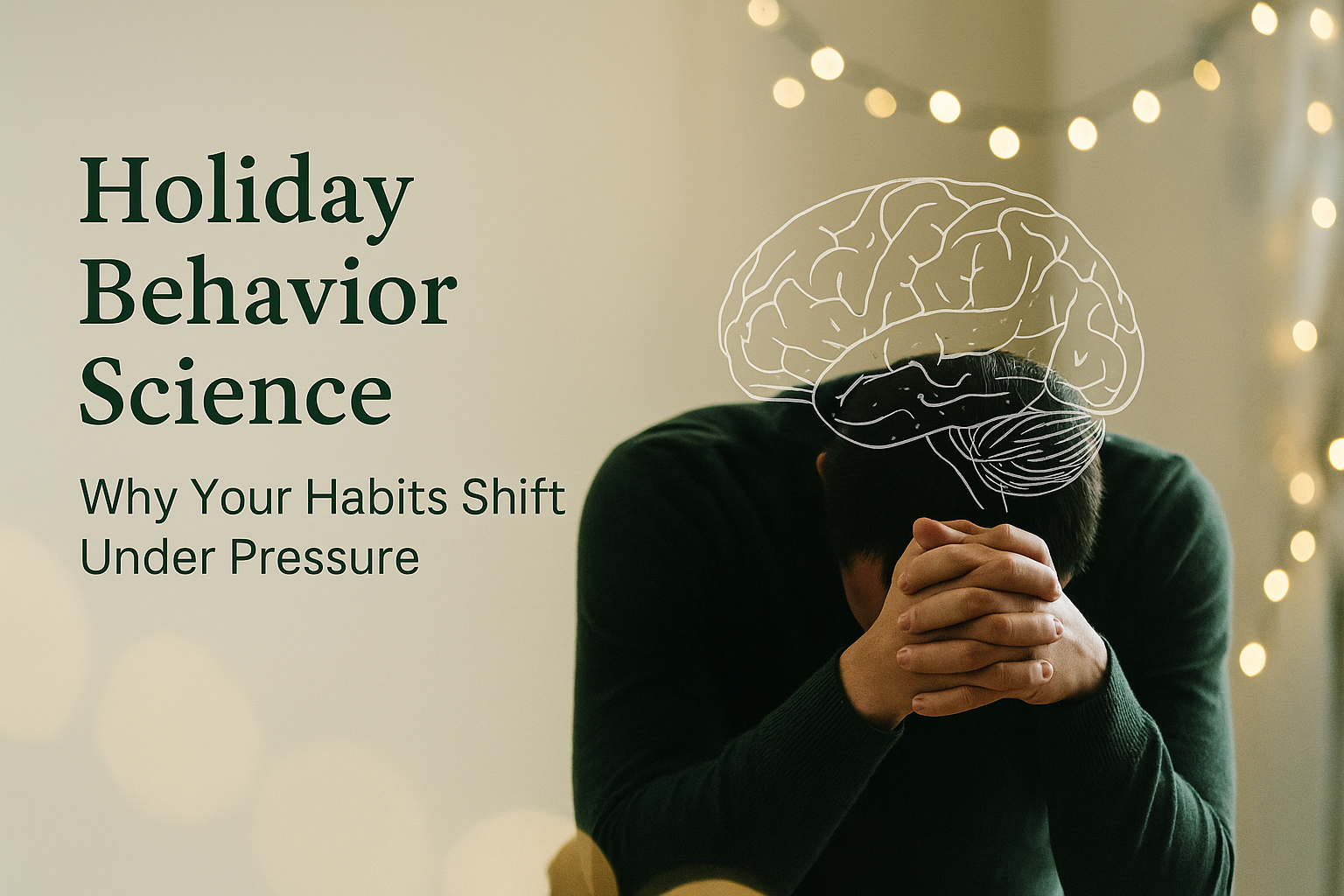
Holiday Behavior Science: Why We Struggle This Time of Year — and How to Stay Grounded By Dr. B The holidays are meant to feel joyful, but they also come with disrupted routines, emotional triggers, social pressure, and a long list of expectations. If your habits feel harder to maintain this month, there’s nothing wrong with you. Your brain is responding exactly the way it’s designed to respond under stress, uncertainty, and change. This isn’t about discipline. It’s about understanding what’s happening beneath the surface — whether you're an athlete trying to stay consistent, a professional managing year-end pressure, or simply a human navigating a demanding season. 1. Your Brain Loses Predictability in December Humans thrive on structure. Predictability reduces cognitive load and keeps decision-making efficient — something that matters in performance environments of all kinds. December removes almost all of it: Social events ramp up Sleep schedules shift Work deadlines pile up Travel interrupts routines Emotional triggers become more frequent When structure disappears, habits become harder to maintain and performance — physical, mental, or professional — becomes less stable. That’s not a personal flaw. It’s biology. 2. Stress Shifts Your Behavior In high-stress environments, the brain becomes more reactive and prioritizes short-term relief over long-term goals. This is true whether you’re preparing for competition, leading a team, or trying to maintain everyday habits. Stress can create: Impulsivity Emotional eating or numbing Scrolling or avoidance Irritability Difficulty staying consistent If you’ve said, “I know what I should be doing, but I’m not doing it,” this is why. Your nervous system is overloaded, making performance-based decision-making much harder. 3. The Holiday Environment Works Against You Even the most resilient performers struggle when the environment is misaligned with their goals. December brings: More cues to indulge or disconnect Less time for movement or recovery More comparison and self-judgment Fewer boundaries Higher emotional labor Environment shapes behavior and performance more than motivation ever will. 4. Your Identity Gets Pulled in Different Directions This time of year often creates an identity collision: Who you want to be vs. Who people expect you to be You might want to stay consistent, show up in your role, or protect your energy…but you also want to belong, maintain peace, or avoid conflict. This tension drains mental bandwidth and affects how you think, perform, and follow through. Identity friction doesn’t just impact habits — it impacts confidence, decision-making, and presence. 5. What Actually Helps? Practical Ways to Stay Aligned Lower the goal without losing the goal All-or-nothing thinking is a performance killer. Instead of perfection, ask: “What’s the smallest version of this habit or priority I can realistically maintain?” Small consistency holds your identity in place, which helps maintain confidence and momentum. Use Behavioral Anchors: Anchors stabilize your mental, emotional, and physical state — something high performers rely on: Drink water before coffee 5–10 minute walk One grounding exercise in the morning 2-minute wind-down at night Small anchors keep your system steady when the rest of the environment isn’t. Set boundaries before you need them Everyone benefits from proactive boundaries. Plan ahead around: Time Energy Food Spending Social commitments You hold boundaries more effectively when you set them in a calm state. Reframe slip-ups Instead of judgment, use: "My system was overwhelmed. I can reset.” Self-compassion improves follow-through more than self-criticism — across every performance domain. Focus on the next aligned action Not the perfect action.Not the hardest action. Just the next aligned one. This is how high performers regain momentum — one small course correction at a time. 6. December Isn’t a Test of Discipline It’s a test of: Awareness Self-regulation Flexibility Identity stability Values in action December challenges your internal systems more than your external habits. Your goal this month isn’t to transform. It’s to remain connected to who you want to be — even when the environment is chaotic. A Final Thought Progress in December looks different.If your habits don’t look the way they did in October, that’s normal. You’re carrying more mental, emotional, and logistical load. The win this month is staying in relationship with your goals and identity — not abandoning them. You don’t need a perfect plan. You need a compassionate, grounded strategy. ⭐ If You Want Extra Support If reading this brings up questions about your own patterns or you’re noticing places where you feel pulled out of alignment, let's set up a consult. It’s not a sales call. It’s a space for us to talk, understand whether we’re the right fit to work together, and set clear expectations so you know exactly what this work looks like and as a way to help you understand what might support you right now. There’s no pressure to commit. It’s simply a chance to pause, get clarity, and see if the kind of work I do is what you need.
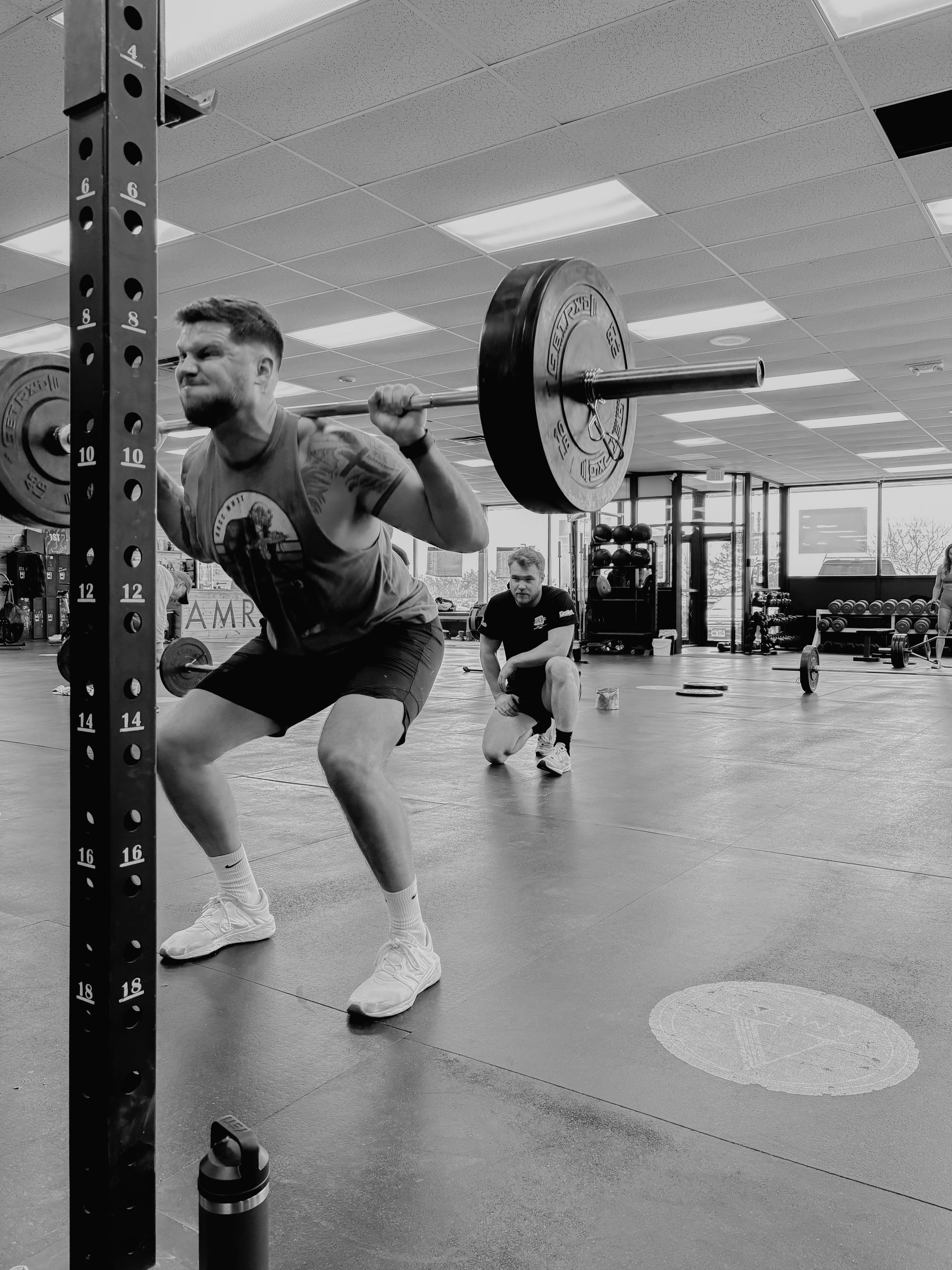
Why Community Shapes Your Success More Than Any Workout By Coach Micah Martin As a coach, community is the foundation of everything I do. My goal is to make sure that your hour in the gym is the hour that sets you up for success, and the way we structure each class is designed to create that sense of connection. We build classes that bring people together, not isolate them. Warm-ups that encourage conversation, partner drills that build trust, and workouts that allow you to push alongside someone who is right there with you. The programming matters, but the environment we create around it is what truly elevates your effort. When the room feels supportive, fun, and unified, people naturally work harder, stay consistent, and enjoy showing up, and that is where real progress begins. Everyone in the room walks in with different goals, different struggles, and different reasons for training, but every person shares one thing: we hold each other accountable. That accountability stretches far beyond the workout written on the whiteboard. Many of us open Wodify to see who is signed up for class before we even check what the workout is. That says everything about how powerful community truly is. I see it every single day. People naturally motivate each other just by showing up, pushing alongside one another, and matching effort rep for rep. These aren’t just individuals sharing a workout. These are people who without even trying become accountability partners. The kind who help you stay grounded, consistent, and intentional with your goals. And here is something people often forget: coaches need this just as much as anyone else. We are on our own fitness journey too. We have days when we are tired, stressed, or unmotivated. We have mornings when getting out of bed feels harder than the workout itself. But the community is what keeps us going. Sometimes all it takes is a message from someone saying “I will see you tomorrow” to shift our mindset. That small moment of connection is what reminds us that we are part of something bigger. Effort becomes contagious when people chase their goals together. When someone next to you refuses to slow down, you naturally push a little harder. When the room believes in you, you begin to believe in yourself. When you feel seen, supported, and encouraged, progress does not just happen. It accelerates. And that is the truth. Programming matters. Technique matters. Coaching matters. But community is the force that pulls people forward, keeps them consistent, and helps them discover strength they never knew they had. At AMRAP Method, we train hard, but we train together. And that is the real secret.


When it comes to feeling better, performing better, or simply managing the demands of everyday life, we often look for that *one* thing to focus on—eat better, exercise more, sleep more, drink more water, “work on your mindset.” The truth is, we need **all** of these things. Nutrition. Physical activity. Sleep. Hydration. Mental health. They don’t work in isolation—and neither do we. At AMRAP, we believe in a **whole-person approach** because it reflects real life. You’re not just a set of goals or macros. You’re a human being with a full schedule, competing priorities, and a brain that gets overwhelmed by the *shoulds* and *supposed to’s* we hear every day. That’s why our focus isn’t just what happens inside the gym. It’s how we support you **outside** of it. --- Yes, Movement Matters—but So Does Everything Else Most people come to a gym for workouts. But if your energy is tanked, your stress is high, and your sleep is inconsistent, it's hard to make the most of your training. And if your nutrition isn’t supporting your body or your goals? You’ll feel like you’re spinning your wheels no matter how hard you try. When even one area feels off, the rest can suffer too. That’s why it’s not about chasing perfection in each area—it’s about creating **small wins across the board** that build real momentum. Your Hour in the Gym is for the Other 23 We care about what happens in the hour you spend with us—but even more than that, we care about how that hour sets you up for the rest of your day. It’s not just about how much weight you lift or how fast you move (though it’s awesome to push your body). It’s about building strength, confidence, and capacity that you carry into your relationships, your work, your choices, and your mindset. Because when you feel stronger, clearer, and more capable in here, you’re more resilient and grounded out there. The Overwhelm Is Real There’s no shortage of information out there—some good, some misleading, and a lot of it just plain confusing. Add that to your daily responsibilities, and it’s easy to feel like you’re falling behind or failing. You’re not. You’re human. And that’s exactly why our team is here. Working With an AMRAP Coach Goes Beyond the Workout What makes AMRAP different isn’t just the quality of coaching you get during a class. It’s the relationships we build outside of it. Each of our coaches brings a unique background—nutrition, mindset, recovery, strength, behavior change, and more. But what we all have in common is a commitment to supporting you as a *whole person*, not just as an athlete. When you work with an AMRAP coach outside of class—whether through nutrition coaching, mindset sessions, or simple accountability check-ins—you get tailored support that fits your real life. And because we see you regularly, we get to know *you*—your goals, your patterns, and how to best support your growth. Personal & Small Group Training: Focused Support, Your Way While group classes offer energy, variety, and community, we know that some goals require more specific attention. That’s why we offer both personal training and small group training tailored to your needs. Personal Training Whether you're looking to: * Build strength or confidence in a specific area * Address movement limitations or recover from injury * Prepare for a sport or a major life goal * Start your fitness journey in a 1-on-1 setting * Reconnect with your body after time away from training …working with a coach individually ensures every minute is dedicated to **you**—your body, your mindset, your pace. We work with women building strength and confidence, former athletes returning to movement, and young athletes laying the foundation for long-term success. No matter your starting point, personal coaching meets you where you are. Small Group Training Looking for something more focused but still want to train alongside others? Small group training is perfect for: Athletes and teams working toward sport-specific goals Friends or family members who want to train together Individuals who benefit from a more intimate setting with personalized programming Anyone navigating **specific goals or limitations** that require a bit more attention You’ll still get expert coaching—but with added customization and flexibility, plus the connection that comes from training in a smaller group. Workshops: Learn, Practice, Apply In addition to our daily classes and coaching, we offer workshops throughout the year that give members the chance to go deeper on specific skills and topics. These workshops are designed to educate, empower, and give you practical tools you can use both inside and outside the gym. Topics include: Movement-focused skill work (e.g., handstands, Olympic weightlifting, pull-up progressions) Nutrition foundations and fueling strategies Mental performance techniques for confidence, focus, and resilience Youth-specific clinics for developing confidence and fundamentals Women’s-focused sessions on strength training, mindset, and recovery Whether you're new to a skill or just want to sharpen your technique, workshops are a great way to expand your toolbox, connect with coaches, and take ownership of your progress. Investing in You: The Value Behind What We Offer We know that your time, energy, and resources matter—and we don’t take that lightly. That’s why everything we offer—from group classes to individual coaching—is built with intention and backed by the experience and care of our team. Some services go beyond membership, but that’s because they go deeper—into your goals, your challenges, and your real life. It’s not about doing more, it’s about doing what’s most impactful for you. When you invest in a coach who truly knows you, you’re not just paying for a service—you’re building the skills, confidence, and support system that will show up far beyond the gym. This is Just the Start Over the next few months, we’ll be sharing more about what our coaches offer and how we each approach health and performance differently. You'll get a chance to learn more about our individual specialties and how we can support you, in and out of the gym. Because health isn’t one-dimensional. And neither are you.
What are you waiting for? Join AMRAP today!
Schedule your free trial today to get started.