
Murph: It's NOT About TheWorkout
Why We Show Up
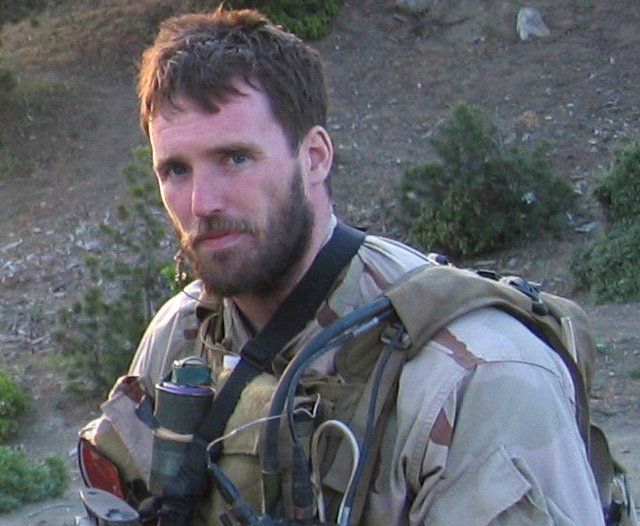
Every year, athletes and everyday individuals take on the Murph Workout.
On paper, it looks like a challenge:
- 1 mile run
- 100 pull-ups
- 200 push-ups
- 300 air squats
- 1 mile run
But Murph was never meant to be just a workout.
It exists to honor Michael P. Murphy, who was killed in action in 2005. It’s why this workout is often completed on Memorial Day.
Before anything else—this matters.
Yes, It’s Hard (And That’s Okay)
Murph is demanding.
There will likely be a moment where:
- You want to stop
- You question if you can finish
- You start negotiating with yourself
That’s not a sign something is wrong.
That’s part of the experience.
Not because we’re chasing exhaustion—but because we’re choosing to stay present when things get uncomfortable.
Murph asks something simple, but not easy:
Stay when it gets hard.
This Isn’t About Beating Yourself Up
There’s an important distinction to make.
Murph is not about:
- Breaking your body down
- Ignoring pain or injury
- Forcing yourself through a version you’re not prepared for
That approach misses the meaning entirely.
Honoring someone doesn’t require you to prove your toughness through damage.
It requires intentional effort.
There is a difference between:
- productive discomfort that builds resilience
and - reckless training that leaves you worse off afterward.
The goal is not to suffer for the sake of suffering.
The goal is to challenge yourself with purpose while honoring someone who made the ultimate sacrifice.
There Is a Version for Everyone
One of the biggest misconceptions about Murph is that there’s only one way to do it.
There isn’t.
The workout can—and should—be adjusted to meet you where you are:
- Run, jog, walk, or bike
- Pull-ups, ring rows, or banded options
- Push-ups to the floor, a box, or an elevated surface
- Squats to a depth and standard that fits your current ability
The structure remains.
The purpose remains.
What changes is the entry point.
Because the goal isn’t to survive someone else’s workout—
it’s to complete your version with intention.
The Right Kind of Discomfort
There’s a phrase that captures Murph well:
We honor by choosing to hurt a little bit.
That doesn’t mean pain for the sake of pain.
It means:
- Feeling your legs burn and continuing anyway
- Managing your breathing when it gets heavy
- Staying steady when your mind wants to speed up—or shut down
This is productive discomfort.
The kind that builds:
- Awareness
- Resilience
- Confidence
Very different from the kind that leads to injury, burnout, or feeling defeated.
Murph should be hard.
It should challenge you physically and mentally.
But challenge and punishment are not the same thing.
What Murph Is Really Training
Murph is physical—but it’s also a mental rep.
It trains your ability to:
- Stay when things get uncomfortable
- Break big challenges into manageable pieces
- Control your pace instead of reacting emotionally
- Follow through on something you started
That’s not just fitness.
That’s life.
Sometimes the most meaningful part of Murph is not your time or your score.
It’s the moment where you realize:
“I wanted to stop, but I kept moving forward.”
How to Approach It This Year
Instead of asking:
- Can I survive this?
Ask:
- What version allows me to show up fully?
Go in with a plan:
- Choose movements you can sustain
- Decide how you’ll break up the work
- Know where you may need to slow down
And when the moment comes—because it will:
- Acknowledge the discomfort
- Stay present
- Keep moving forward
You do not need to prove anything to anyone through this workout.
You simply need to show up honestly and give effort that is meaningful for you.
At AMRAP, There’s a Place for You in This Workout
At AMRAP Method, Murph is not about “Rx or nothing.”
It’s not about ego.
It’s not about pretending to be fine when you’re not.
And it’s not about earning respect by breaking yourself down.
It’s about showing up with intention.
For some people, that may mean completing the workout exactly as written.
For others, it may mean:
- Scaling movements
- Adjusting volume
- Walking portions of the run
- Or simply showing up and being part of the experience for the first time
All of those count.
Our goal is to help every person find a version that is:
- Appropriate for their current fitness level
- Safe and sustainable
- Still challenging enough to be meaningful
Because Murph should challenge you.
It should make you uncomfortable at times.
And yes—there may be moments where you doubt yourself or want to quit.
That’s okay.
The meaning of Murph was never about perfection.
It’s about choosing to continue with purpose.
If you’ve been intimidated by Murph in the past, you are not alone.
But you also don’t need to “be ready” to participate.
You just need a starting point.
And we’ll help you find it.
What are you waiting for? Join AMRAP today!
Schedule your free trial today to get started.